

Everything in This Guide
Watch, read or download — start wherever makes sense for you.
The Twenty: Investor Guide
Here’s what’s special about attainable workforce housing—and why it could be worth investing in.
Also known as the “missing middle” of housing, attainable workforce housing is designed for moderate-income tenant households, typically those who earn between 80% and 120% of the area median income (AMI).2,3 For example, if a market's AMI is $85,000, attainable housing would be geared towards households earning between $68,000 and $102,000 per year.
Watch, read or download — start wherever makes sense for you.
With over 20 years of work trying to solve the affordable housing crisis and creating wealth and prosperity for our partners and investors, DLP Capital is creating housing, jobs, and prosperity for families across America—and we’re just getting started.
Current Investors1
Current Residents2
2025 Total Revenue3
Assets Under Management4
See how DLP Capital evolved from a small Pennsylvania startup into one of the fastest-growing private companies in America by focusing on a singular problem: the workforce housing crisis.
Attainable Vs. Affordable - Still Confused? Check out our FAQ below.
Attainable housing means rental rates are 30% or less of the area median income (AMI). For example, if a submarket’s AMI is $60,000 or $5,000 per month, then communities charging rents that are $1,500 or less are considered attainable.
Workforce housing refers to attainable, centrally-located multifamily communities designed for moderate-income families.
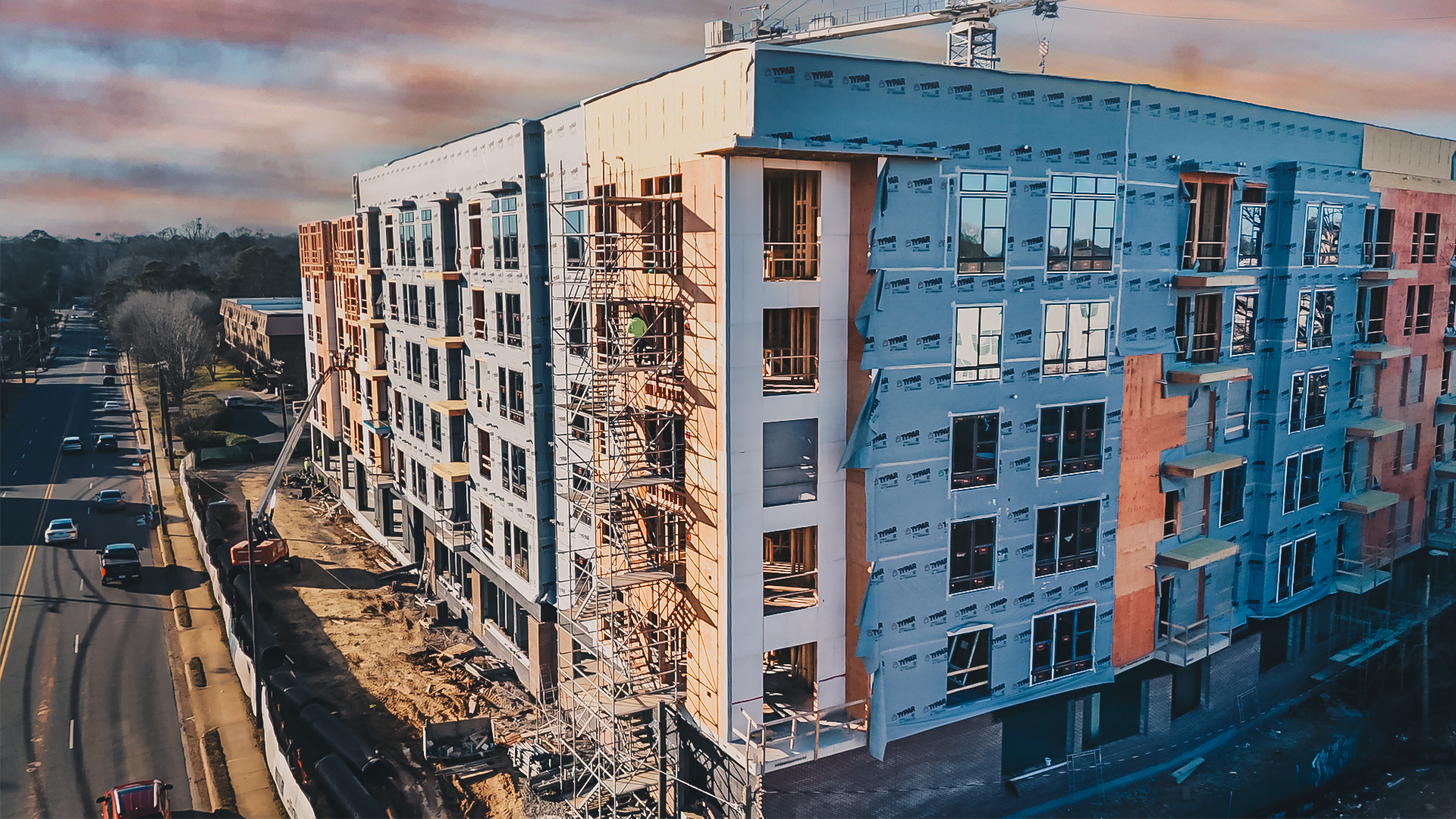
The high costs of construction, the scarcity of land, and the desire for attainable rents make it difficult for developers to build new workforce housing. DLP Capital-sponsored funds address these challenges by financing innovative housing solutions that are cost-effective and accessible for residents.
Attainable housing is unsubsidized, while affordable housing is subsidized through the low-income housing tax credit (LIHTC) for developers or housing vouchers for tenants.
The 30% rule for apartments states that you should not spend more than 30% of your gross monthly income on housing. For example, at $6,000 monthly income ($72k annually), you should spend a maximum of $1,800 on rent and utilities.

"There is a massive shortage of housing that the average American family can actually afford. By focusing our management efforts on attainable, workforce housing, we are solving a critical social crisis while simultaneously providing our investors with a defensive asset class that performs in any market cycle. It’s the ultimate win-win: thriving communities and protected returns."
-Juan Dominguez, President of Real Estate Management & Investments | DLP Capital
More guides and eBooks from the library.
Meet the team in person, or talk it through one-on-one.
Our website uses cookies to enhance your experience, analyze website traffic, and deliver content tailored to your interests. By clicking "Accept", you consent to our use of cookies.