


As an accredited investor, you’ve probably heard fund managers or sponsors talk about housing affordability. But how is affordability measured, and what does it mean for residents and investors?
What is Area Median Income?
The Area Median Income (AMI) is the midpoint of the incomes of households in a region. If you were to line up every household in a metropolitan area from the lowest income to the highest, the household in the middle of that line would be earning the median income. Half of the households earn more than the AMI, and half earn less.
The U.S. Department of Housing and Urban Development (HUD) calculates this metric annually for every metropolitan statistical area (MSA) in the country. AMIs are adjusted for household size—so a single person has a different AMI than a family of four.1
AMI provides insight into what a typical household earns, offering a useful reference for accredited investors evaluating rental demand in a given market.
How AMI Defines Housing Affordability
A rental community is attainable when a household earning the AMI spends no more than 30% of its gross income on housing costs, including rent and utilities. At DLP Capital, we apply this standard to determine whether our multifamily communities are affordable for working families across America. However, we aim to keep the cost of rent to less than 25% of AMI.
When this 30% rule is combined with AMI, what results is a framework for determining affordability:
- Subsidized Affordable Housing (Under 80% of AMI): This segment serves households that often qualify for government assistance programs, like Section 8 vouchers or tax/financing programs that require a set amount of units to be set aside for renters at certain income levels.2
- Attainable Workforce Housing (Between 80% and 120% of AMI): Built without tenant subsidies, this segment of housing targets essential workers like teachers, nurses, firefighters, police officers, and electricians. While these moderate-income households earn too much to qualify for housing assistance, they’re often priced out of the new luxury apartments that dominate the market.2
- Luxury and Discretionary Housing (Above 120% of AMI): This is the “luxury” tier. Due to high land and construction costs, the bulk of new development targets this demographic, focusing on high-end amenities rather than cost.2
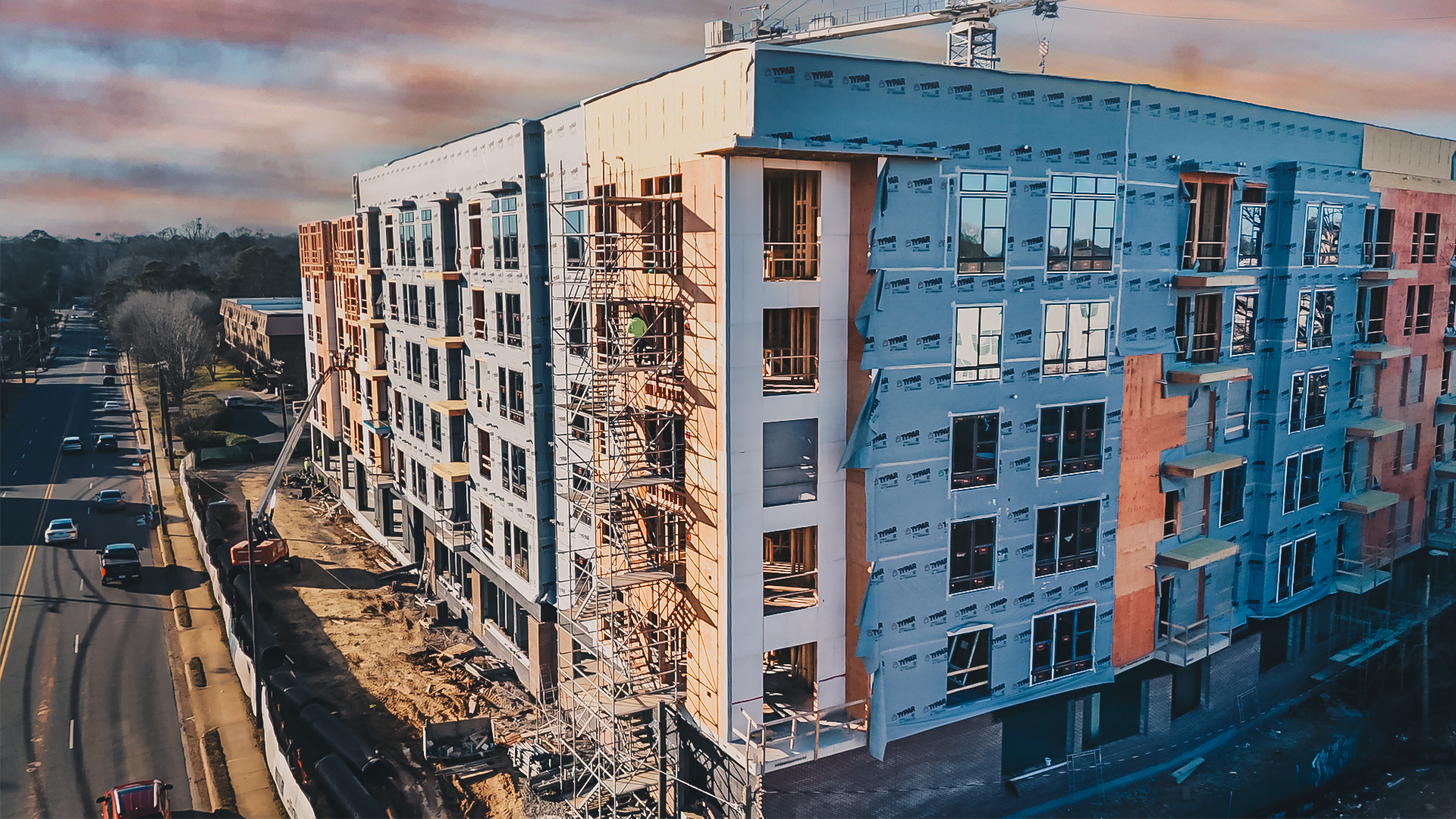
For investors, underbuilt yet essential workforce housing—often referred to as “missing middle” housing —is not just needed; it could also deliver strong, long-term returns.
Steady demand meets supply constraints
The demand for attainable housing is fundamentally different from luxury rentals because the needs of “renters-by-necessity” are non-discretionary. This means they must have stable housing regardless of economic cycles, making this tenant base more predictable and resilient than lifestyle renters in luxury developments.
At the same time, the supply of workforce housing is facing constraints. Rising construction costs, increasing land values, labor shortages, and restrictive zoning laws can make development financially challenging. Unlike luxury developments, which command high rents and attract significant investor capital, moderate-income communities often lack subsidies or incentives, leaving the “missing middle” chronically underserved.
This gap between structurally stable demand and underbuilt supply creates a unique opportunity for accredited investors. By financing the development or preservation of attainable communities, investors can not only meet critical housing needs but also access long-term, resilient cash flows. Moreover, during economic downturns, these assets often outperform higher-end properties, as households trading down from luxury rentals can increase the applicant pool.
This combination of steady demand, limited supply, and economic resilience underscores the potential stability and long-term value of attainable housing—one where financial returns and social impact can align.
Accredited investors can address housing affordability challenges
The U.S. Chamber of Commerce estimates that the country is short 4.7 million housing units. The shortage is especially severe in Sunbelt states like Texas and Florida, where a lack of attainable housing has led to more than $64 billion in lost economic output.3
But there are solutions. For example, accredited investors who finance the preservation and new development of attainable housing through DLP Capital-sponsored funds can make an impact on the housing shortage while targeting annual returns of up to 13%.*
As an investor with DLP Capital, you can finance the building of Thriving Communities that are affordable for working families across America. Explore more today.