

Rents rising

Articles

Multifamily Rents Are Rising—But Not Equally

September 7, 2026

Market Updates

Nationwide multifamily rents rose for the sixth month in a row, increasing 0.4% on a year-over-year (YoY) basis in August 2026.1 

While this figure is modest on its own, it marks the highest rate of growth in almost a year.1

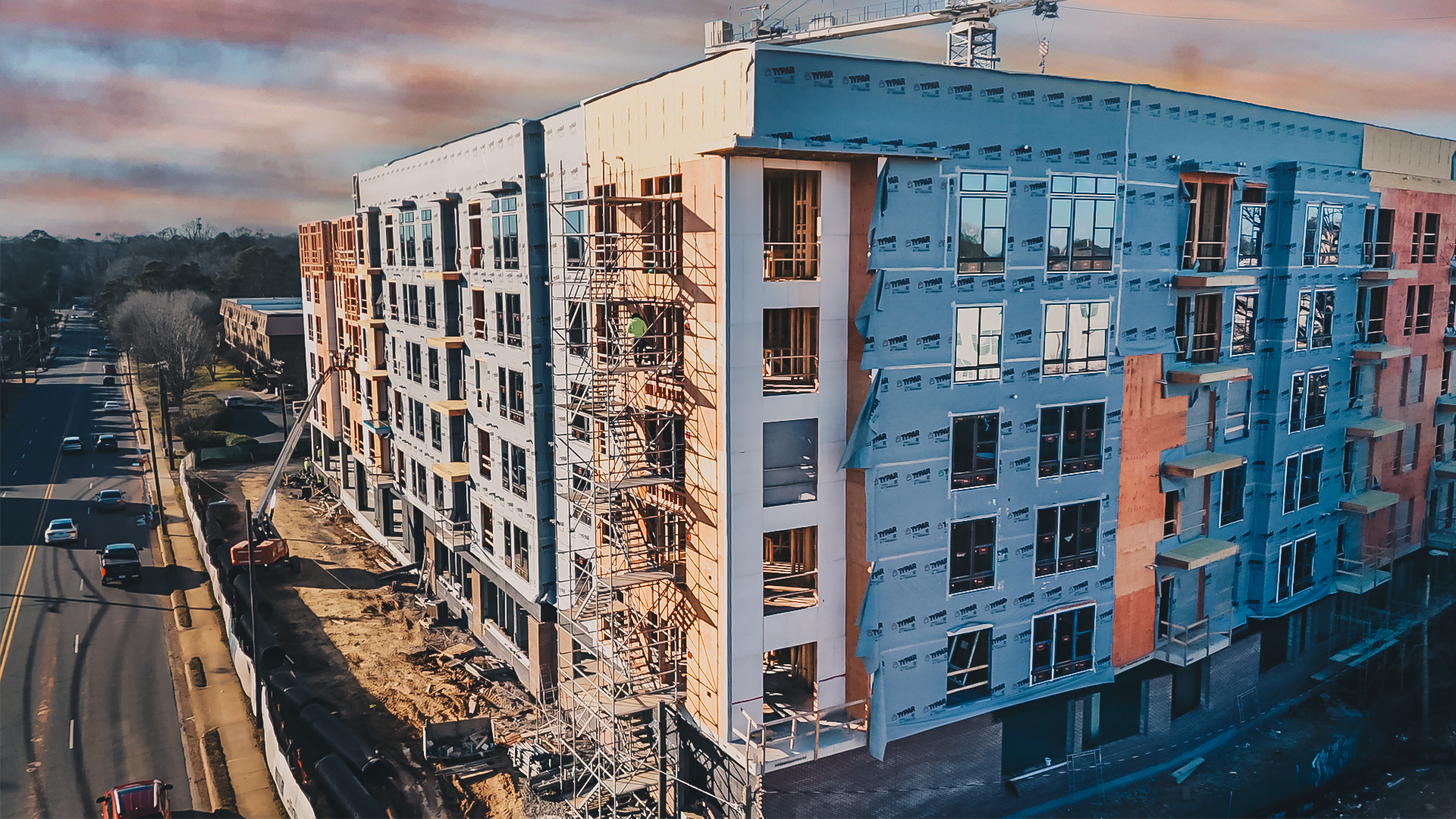
Under the hood, performance continues to diverge. Following the pandemic, a historic wave of new supply—largely in the form of higher-end products catering to discretionary lifestyle renters—has put pressure on rent growth.2 According to Yardi Matrix, there are 1.2 million units nationally in the lease-up phase, roughly double the average over the last 10 years.1 This is putting pricing pressure on operators, especially at the top of the market, as they compete for a limited pool of renters-by-choice.

It’s in part for this reason that the lifestyle segment of multifamily properties experienced YoY rent growth of 0.4% in August, in line with the average for the multifamily market as a whole.1

Firefighters
By contrast, the segment of multifamily housing catering to renters-by-necessity—largely consisting of moderate-income working families headed by essential workers like EMTs, police officers, or teachers—has demonstrated relative outperformance. 

Rents for this segment of multifamily housing grew 0.6% YoY in August 2026, outpacing rent growth for the lifestyle segment (and for multifamily as a whole) by 20 basis points.1

From this, there are two key takeaways that could matter for investors:

1. Workforce Housing Is Relatively Insulated From Oversupply

While the massive post-pandemic supply boom pressured rents across all segments of the multifamily market, the resilience of assets catering to renters-by-necessity suggests that competition from new supply is, at least relatively speaking, a less pronounced issue.

Indeed, while CoStar reveals that more than 360,000 new 4- and 5-star (luxury) units are under construction as of mid-2026, only about 192,000 3-star (attainable) units are in the pipeline.3 With high-end units outnumbering attainable units roughly two-to-one, it’s possible that headwinds to rent growth could challenge lifestyle or luxury multifamily assets for longer than attainable assets catering to renters-by-necessity. 

2. Demand Could Favor Attainable Assets 

Broader macroeconomic and housing market headwinds, such as elevated home prices, inflationary pressures, stagnant wages, and high residential mortgage interest rates, are limiting household mobility and opportunities for homeownership.4

These factors are prolonging renter tenure, particularly for moderate-income households who face more pronounced financial barriers to homeownership. While lifestyle renters can become homeowners at their discretion—but choose instead to rent for personal reasons—renters-by-necessity are, by definition, renters without an alternative. This dynamic means that investors and operators of attainable communities that cater to renters-by-necessity can potentially benefit from lower turnover and steadier cash flows.

Invest in multifamily assets catering to renters-by-necessity with DLP Capital-sponsored funds.

X

Our website uses cookies to enhance your experience, analyze website traffic, and deliver content tailored to your interests. By clicking "Accept", you consent to our use of cookies.