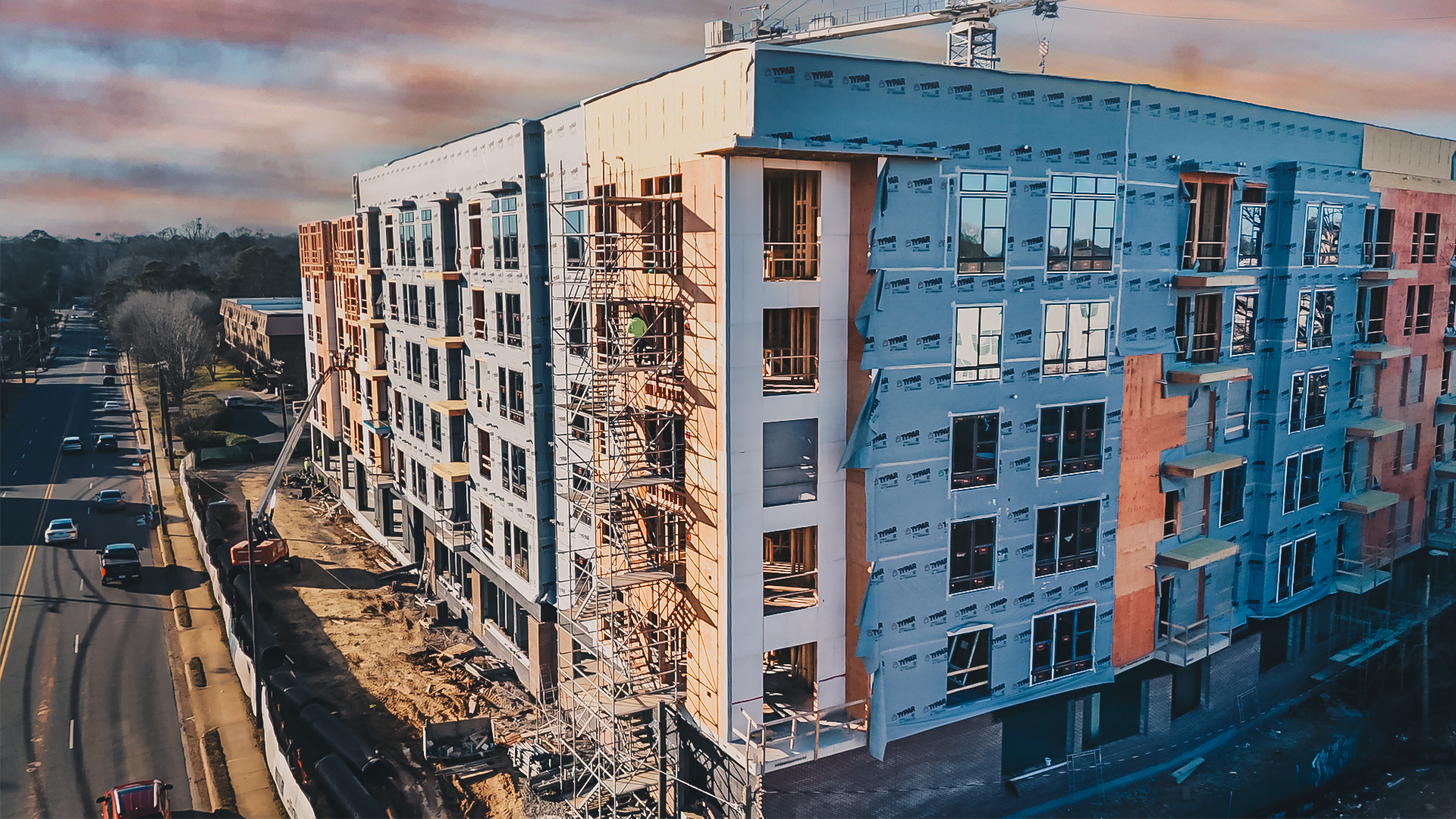
What is attainable workforce housing?
Also known as the “missing middle” of housing, attainable workforce housing is designed for moderate-income tenant households, typically those who earn between 80% and 120% of the area median income (AMI).2,3 For example, if a market's AMI is $85,000, attainable housing would be geared towards households earning between $68,000 and $102,000 per year.
Unlike affordable housing, which relies on developer or renter subsidies like the Low-Income Housing Tax Credit (LIHTC) or Section 8 housing choice vouchers, attainable workforce housing is often developed without direct government subsidies, relying more on market dynamics.3
Attainable housing is market-driven, meaning that rents aren’t capped by government programs. This means there is a potential for market-rate returns for investors. Attainable housing may attract a more financially stable tenant base, leading to lower resident turnover and more consistent cash flow for investors.
Beyond this factor, attainable workforce housing is:
Designed for working families
Attainable workforce housing targets moderate-income essential workers, such as social workers, daycare workers, and firefighters. These working families are overqualified for subsidized housing and are priced out of the dream of homeownership in the areas where they work.
An attainable housing community provides a place that families can call home without feeling financially overextended. This creates strong, stable demand from a demographic with a continuous need for rental housing. When households tighten their belts and downgrade during economic downturns, demand may grow—rather than shrink—providing resilience for investors.
When you invest with private real estate firms like DLP Capital that focus on attainable workforce housing, you can generate potential passive income by financing new, safe rental options that meet urgent housing needs.
Access to attractive markets
A core principle of attainable housing is enabling people to live where they work. This strengthens community bonds, shortens commutes, and gives residents more time with family and friends.
Living locally enhances residents’ quality of life and sense of belonging. Properties near employment centers attract and retain long-term tenants, which may lower vacancy rates and support consistent returns. The DLP Housing Fund—which holds equity positions in a portfolio of 55 attainable workforce communities in 14 states—has produced a compounded DRIP IRR of 17.40% since inception.4
Safe and high-quality housing renters want
Attainable workforce housing aims to provide an environment where residents can enjoy a balance of comfort and affordability. Attainable housing should be located in desirable neighborhoods that offer residents access to essential services, good schools, and community amenities that enhance their quality of life.
For residents, this means a stable environment to dream, live, and prosper. Well-maintained communities in desirable neighborhoods are durable assets that may deliver long-term appreciation and steady rental income. Accredited investors who choose to participate through a professionally managed DLP Capital-sponsored fund have the opportunity to align their passive income goals in support of addressing the housing crisis.
Pursue success and significance with DLP Capital-sponsored funds. As an accredited investor investing in attainable workforce housing, you can potentially generate targeted returns of up to 14%* while making a measurable impact on America’s working families. Learn more today.