

Exurbs

Articles

The Hottest Areas in Sunbelt Metros? The Exurbs

June 3, 2026

Investment Insights

Sunbelt metros have led the United States in terms of housing production, thanks in part to pro-growth policies that streamline the permitting process, promote housing density, and encourage infill development.

According to a new report from the George W. Bush Institute-SMU Economic Growth Initiative, 13 of the 15 most pro-growth metros between 2010 and 2023 are located in the Sunbelt.1 Among them are familiar names like Raleigh, Charlotte, Austin, Dallas-Fort Worth, and Jacksonville.1

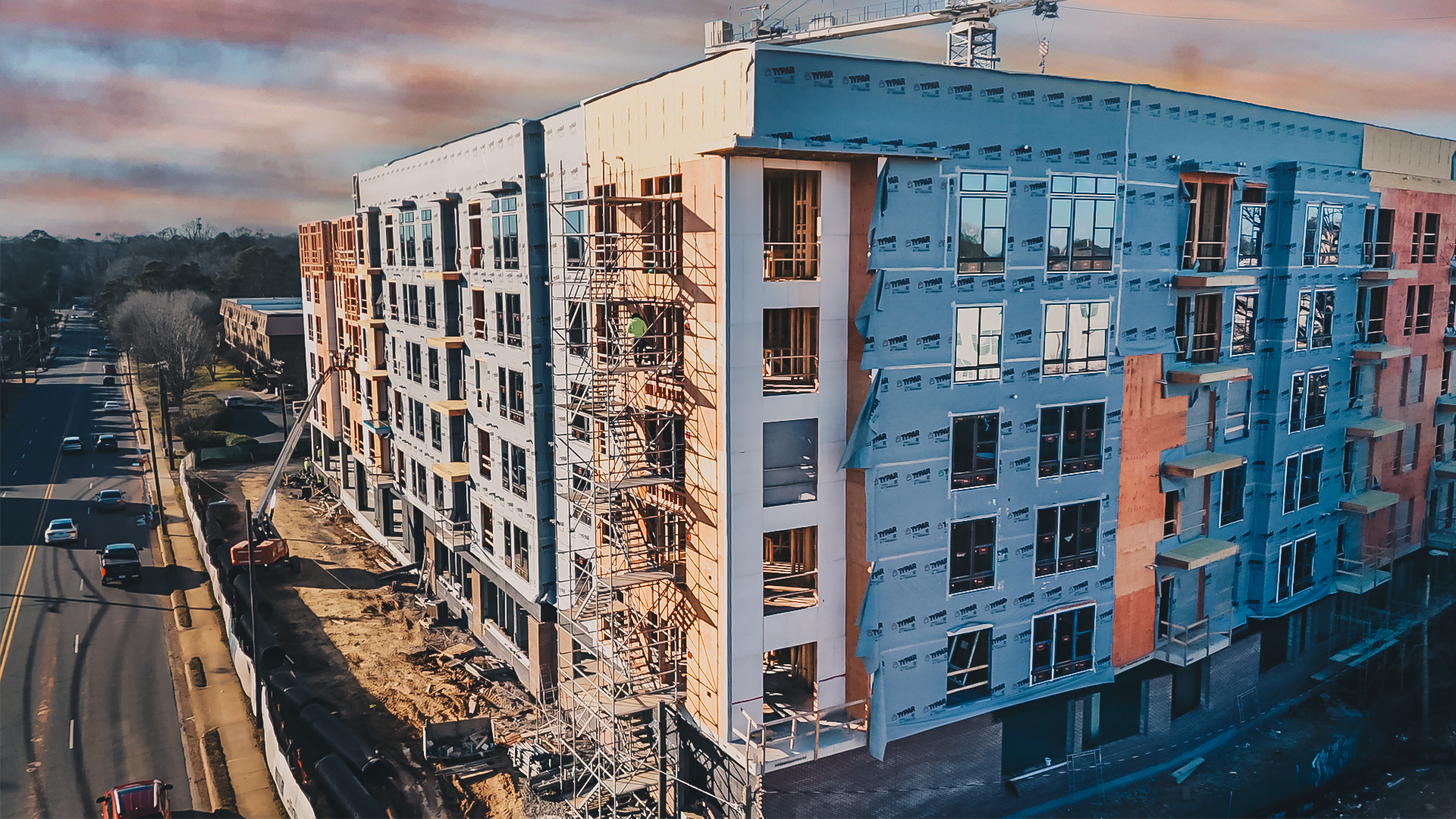
Equally interesting is how this growth is taking shape. While urban redevelopment in proximity to city centers takes place routinely across Sunbelt cities, the bulk of new development is taking place in exurbs.2

These far-flung residential neighborhoods, which lie beyond even a city’s suburbs, are appealing to developers for their abundance of cheap (and virtually unlimited) land. For prospective residents, exurbs are attractive because they feature homes containing larger floorplans, sleeker finishes, and larger yards than equivalently-priced suburban residences.

It’s difficult to overstate the explosion in exurban residential growth. Georgetown, an exurb about 30 miles north of downtown Austin, expanded from about 67,000 residents in 2020 to over 107,000 by mid-2025, a cumulative increase of 58.5%.3

Other Texas exurbs are growing even faster. Fulshear, a sleepy town about 35 miles west of downtown Houston, was home to fewer than 17,000 residents in 2020. By 2025, its population had surged by 297% to over 64,000.4

A similar story is playing out in North Carolina. Apex, an exurb 15 miles southwest of downtown Raleigh, grew about 25% between 2020 and 2025, adding about 16,000 residents in five years.5

What this means for investors: For investors allocating to multifamily funds focused on Sunbelt investments, one takeaway is that what a “Sunbelt metro” is—or is growing into—deserves greater focus. A multifamily fund that focuses on urban submarkets in Sunbelt cities may share little in common with a fund that finances new developments or construction in outer-ring exurbs.

The dramatic surge in exurban growth likewise warrants attention. Investing in the path of progress—in areas where population growth, housing demand, and housing development are intersecting most visibly—means the potential opportunity to capitalize on both favorable development economics and demographic tailwinds. In some respects, today’s exurbs are like incumbent suburbs a generation ago: at the edge of the city and on the cusp of development.

Gain exposure to a portfolio of suburban and exurban multifamily assets with DLP Capital-sponsored funds.

X

Our website uses cookies to enhance your experience, analyze website traffic, and deliver content tailored to your interests. By clicking "Accept", you consent to our use of cookies.