Diversify with private credit and equity real estate investment funds that make non-concessionary impact investments to expand access for America’s working families to affordable, safe communities.
Senior Secured Mortgage Fund that makes private credit investments to experienced real estate sponsors. Targets monthly passive income and annual returns of up to 10% for accredited investors.
Private Real Estate Investment Fund that invests in income-producing, attainable rental communities. Targets monthly passive income and annual returns of up to 12% for accredited investors.
Private Preferred Credit Fund that provides mezzanine loans and other subordinate financing to developers focused on attainable rental housing. Targets monthly passive income and annual returns of up to 11% for accredited investors.
Private Real Estate Investment Fund that invests in all stages of development to build, improve, and manage attainable rental housing. Targets monthly passive income and annual returns of up to 16% for accredited investors.
Private Real Estate Investment Fund focused on manufactured housing and RV-zoned communities, including vacation rental resorts and hospitality-integrated developments. Invests in the sale of manufactured homes and park models paired with land-lease structures. Targets long-term equity growth with a preferred annual return of approximately 10% for accredited investors.
Structured Private Note Offering providing priority credit exposure to DLP-managed real estate assets through secured Series B Notes. Designed to deliver fixed, predictable income with an 8% annual interest rate, monthly reporting, and a 5-year term for disciplined accredited investors.
See how DLP Capital’s lending fuels real estate projects that transform communities. These stories highlight the creativity, determination, and results of the talented sponsors we work with.
Explore a selection of our recent transactions across lending, acquisitions, and investments — demonstrating our commitment to delivering momentum, certainty, and impact for real estate projects nationwide.
Great outcomes come from consistent progress, not occasional sprints. That's the heart of our Twenty Mile March core value: setting clear goals, pursuing them with unwavering focus, and course correcting as needed. The Twenty brings that same discipline to your learning. Explore our latest webinars, articles, podcast episodes, and more.
Read the latest DLP Capital quarterly report for the most recent performance of DLP Capital-sponsored funds, updates on current investments within the funds, stories of our impact in action, company insights, and more.
CEO Don Wenner has built a life—and a company—dedicated to transforming lives through access to safe and attainable housing. Today, DLP Capital is creating solutions to the affordable housing crisis, redefining community, and helping investors discover success with significance.
DLP Capital’s purpose-driven, non-concessionary impact investments create housing, jobs, connection, and opportunity for families across America. Discover more about how DLP invests with purpose.
Meet the visionary leaders committed to executing DLP’s vision of transforming the lives of both residents and investors through the building of Thriving Communities.
Stay inspired by the latest updates from DLP Capital. Explore how we’re driving meaningful change, earning recognition, and celebrating milestones as we continue building thriving communities across America.
At DLP Capital, work is more than a job—it’s a mission. Join a team dedicated to solving America’s housing crisis, building thriving communities, and creating opportunities for families across the country.
Our mission starts with connection. Reach out to our team or visit one of our locations to learn more about how DLP Capital is creating impact where it matters most.
How Cities Are Addressing the Affordable Housing Crisis
Can cities close the housing affordability gap?
November 9, 2025
Investment Insights
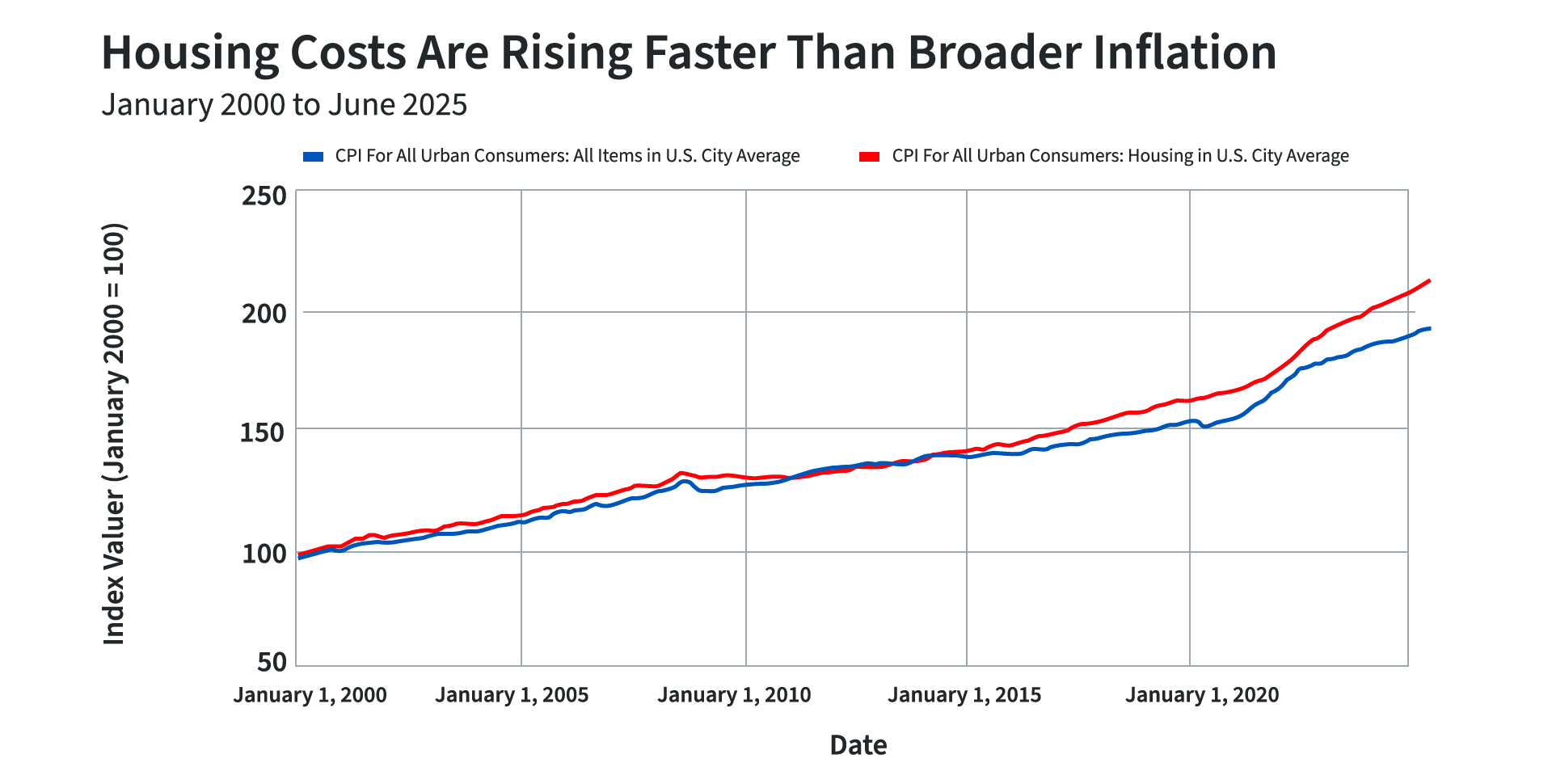
It’s no secret that housing costs have historically outpaced wages.
Since the start of the 21st century, nationwide housing costs—including rents, homeownership costs, and other expenses related to shelter—have increased by an average of 109.4%, while wages have grown by just 89.9%.1
In March 2025, a household making around $75,000 a year—roughly the median household income—could only afford about 21% of homes for sale.”2 Given that median home prices hit an all-time high in June 2025, it’s unfortunately not surprising that many Americans have been priced out of the dream of homeownership.
But the cost of housing is only one part of the story. Interest rates have been hovering between 6% and 7% for nearly three years. This means that today’s prospective homebuyers are facing monthly mortgage payments, on average, of over $2,800—the highest ever recorded.3,4
The affordability crisis isn’t just a headline—it’s reshaping the way cities and families live. Forward-thinking municipalities are beginning to respond with policies that expand housing supply and lower costs. For investors, these initiatives open the door to an asset class that not only generates returns but also delivers lasting impact for America’s working families.
Relaxed zoning to encourage new development
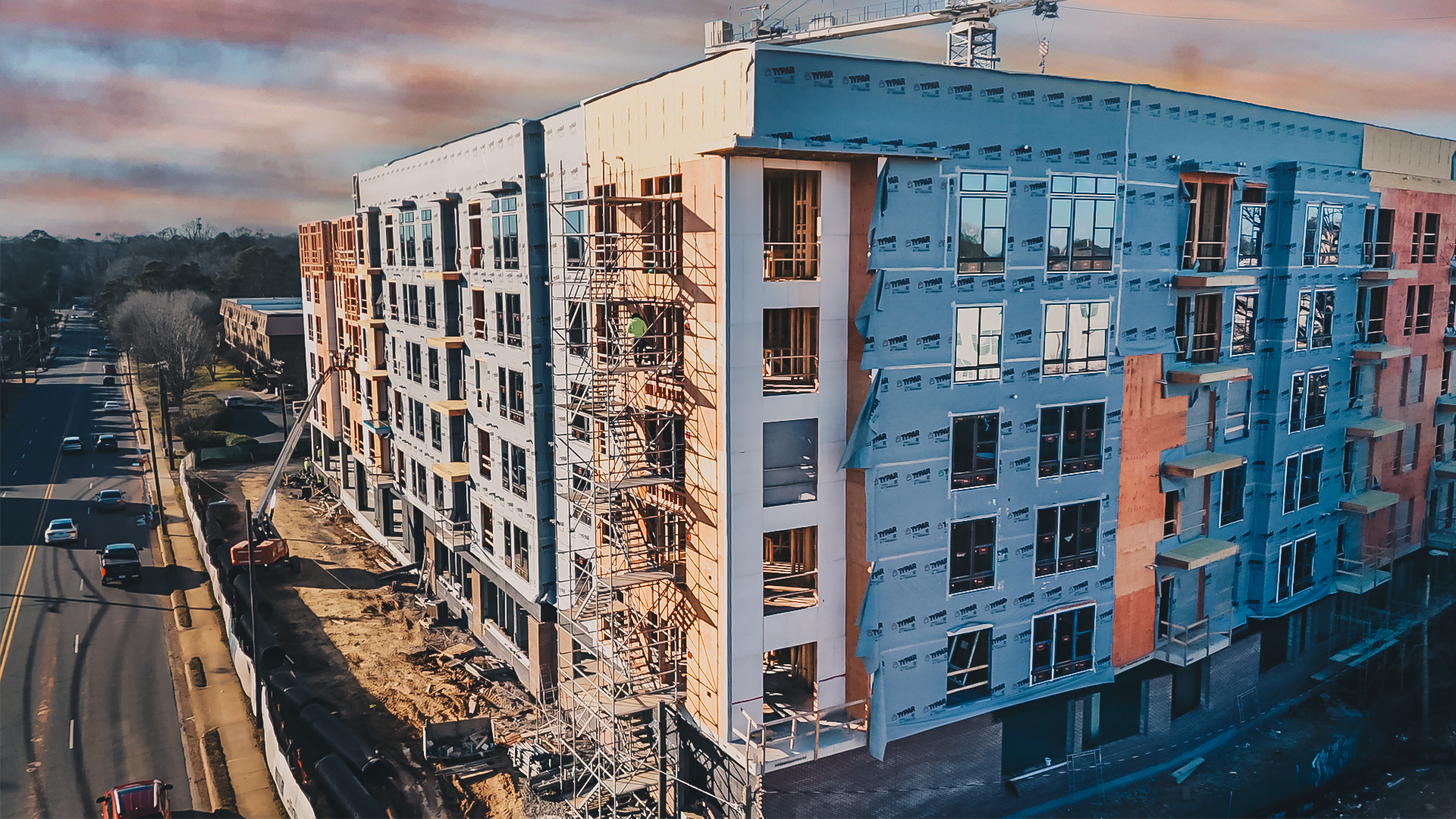
In a bid to curb spiraling housing costs, some cities are relaxing their zoning ordinances and land use restrictions to allow for faster permitting timelines and denser housing developments. These changes have the potential to benefit investors in private real estate funds, like the DLP Building Communities Fund, which finances the construction of new communities from the ground up.
Cities typically enable developers to build denser housing in one of several ways. Municipalities can reduce minimum lot sizes, enabling a housing development to proceed on a smaller plot of land. This can encourage infill projects in urban areas, which can help spur new attainable housing projects in areas once off-limits to developers.
Another way cities can encourage new development is to raise height restrictions to allow for taller buildings. Municipalities can likewise permit multifamily developments in areas currently zoned for single-family, which can encourage greater housing density in lower-density neighborhoods.5 Developers who are permitted to build up instead of out can minimize land acquisition and construction costs, resulting in savings that can be passed on to residents in the form of lower rents.
Sunbelt cities that have implemented these zoning changes have experienced notable increases in housing affordability. In Austin, Texas, once the fifth-most expensive city in the country for renters, recent pro-housing policies allowed the city to undergo a building boom over the last two years.6 A similar story is playing out in Denver, where heightened construction activity is leading to more affordable rents.7
But multifamily communities are more often than not earmarked for rent, rather than for sale.
So, how can this address homeownership affordability?
The answer is that housing prices are ultimately a function of supply and demand. According to the Urban Institute, housing supply increases when new homes are built, while housing demand changes when new households are formed. This means that the effect is the same, whether a household buys or rents.8
Specifically, increasing the supply of housing—whether single-family or multifamily, for purchase or rent—can help lower home prices for prospective buyers.
As a paper by the Federal Reserve Bank of New York puts it plainly, new construction can bring housing prices down in areas where existing home prices are artificially inflated beyond physical construction costs.9
Finance the building of new multifamily communities with the DLP Building Communities Fund and unlock the potential for targeted returns of up to 13%.* Discover more today.
Cost-effective manufactured housing for working families
Zoning changes aside, cities can also tackle housing unaffordability by permitting developers to explore lower-cost housing options.
One prime example is manufactured housing communities, which are cheaper to build than standard single-family neighborhoods. Nationwide, traditional stick-built housing costs about $165 per square foot—nearly double the price of a manufactured home.9
This cost advantage means that they can be rented at more affordable rates. Given that 50% of households that live in manufactured homes earn annual incomes below $35,000,10 these accommodations can put safe, quality housing within reach for American households in need. Accredited investors who finance new manufactured housing communities through funds like the DLP Preferred Credit Fund can play a direct role in the building of thriving communities for those who are priced out.
Despite these benefits, manufactured housing remains a fairly underutilized solution to America's affordable housing crisis. According to CNN, manufactured homes make up just 6% of the national housing stock and are concentrated in rural communities.11 Many cities restrict the development of manufactured communities in urban areas, due in part to outdated perceptions about the build quality and lifespan of this housing type.12
This confluence of limited supply and rising demand presents an opportunity for proactive investors eager to invest with impact. By making passive investments through DLP Capital-sponsored funds, accredited investors can help build housing communities for America’s working families—expanding access to affordable homeownership and creating lasting impact—without the need to manage zoning battles or source projects on their own.
The DLP Preferred Credit Fund invests in attainable manufactured housing communities across the Sunbelt, allowing accredited investors to make an impact on America’s affordable housing crisis while unlocking the potential for targeted returns of up to 11%.* Learn more.
FAQs
How should US cities tackle the shortage of affordable housing?
Cities can address the affordable housing shortage by relaxing density restrictions, zoning for manufactured housing and RV communities, and offering financial incentives to developers for new construction.
What is the biggest issue with affordable housing?
The primary issue is a chronic undersupply of attainable housing, which prices out renters, compromises housing quality and safety, and limits household earnings.
What is the housing affordability crisis in the US?
The US housing affordability crisis refers to the increasing cost of rent and homeownership relative to income. This results in cost-burdened households that struggle to secure and maintain suitable housing.
How can we solve the US housing crisis?
Cities play a critical role in solving the affordable housing crisis. Governments can incentivize new housing construction, provide density bonuses for multifamily developments, and streamline permitting, zoning, and approval processes.
Which city has the most affordable housing?
Bismarck, North Dakota, is the most affordable city for renters, with housing costing around 15.3% of income. Flint, Michigan, is the most affordable city for homebuyers.
Our website uses cookies to enhance your experience, analyze website traffic, and deliver content tailored to your interests. By clicking "Accept", you consent to our use of cookies.